

Initiation into Manhood:
A Biblical Perspective
At some point, every father senses it.
His son is no longer a little boy. Something has shifted. Strength is emerging. Independence is growing. Questions are deepening.
The question becomes clear.
When does a boy become a man?
In Scripture, growth is not left undefined. Transition is acknowledged. Identity is affirmed. Responsibility increases.
Initiation into manhood is not about theatrics. It is about recognition. It is about clarity. It is about a father saying, I see who you are becoming, and I call you forward.
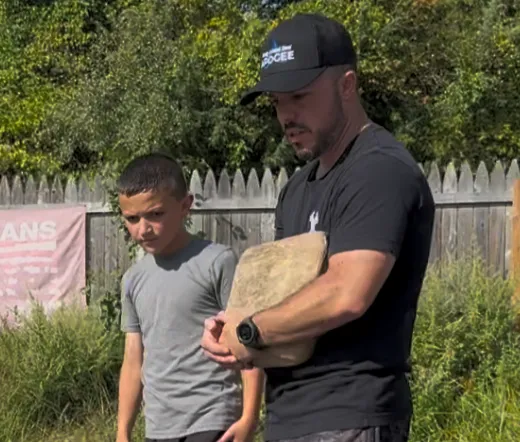
What Does Initiation into Manhood Mean?
Initiation into manhood is the intentional recognition of a young man’s readiness to carry greater responsibility before God and others.
It is not about proving toughness.
It is not about surviving a test.
It is not about public applause.
It is about acknowledgment.
Throughout Scripture, transition is marked.
Jacob blesses his sons.
Moses commissions Joshua.
Paul affirms Timothy’s calling.
Recognition precedes responsibility at new levels.
Initiation names what discipleship has formed.
Why Modern Culture Avoids Initiation
In many modern contexts, adolescence stretches indefinitely. Expectations blur. Responsibility is delayed.
Without clear initiation, young men often seek counterfeit versions.
Risk becomes proof.
Rebellion becomes assertion.
Withdrawal becomes avoidance.
When fathers fail to name transition, sons often try to create it.
A Christian rite of passage provides a healthier path.
It says maturity is recognized within relationship, not seized through chaos.

The Biblical Pattern of Transition
Scripture consistently shows that maturity unfolds through preparation, testing, and commissioning.
David faced private testing before public leadership.
Joseph endured hardship before authority.
Jesus was affirmed before ministry.
The pattern is consistent.
Belonging
Responsibility
Recognition
Mission
This progression mirrors the broader structure of biblical manhood formation.
Initiation is not the beginning of growth. It is the acknowledgment of growth.

How Fathers Discern Readiness
Initiation is not tied to a birthday.
A father looks for signs of maturity.
Consistency in responsibility.
Self control under pressure.
Integrity when unseen.
Willingness to serve.
Luke 16:10 reminds us that faithfulness in small things precedes greater trust.
When those traits become observable patterns rather than occasional moments, readiness may be near.
What Initiation Should Include
A healthy initiation into manhood often includes preparation, reflection, challenge, and affirmation.
Preparation may involve months or years of discipleship.
Challenge may involve meaningful responsibility or a shared experience.
Affirmation involves speaking identity clearly.
Some families include community witnesses. Others keep the moment private.
What matters most is intentionality and clarity.
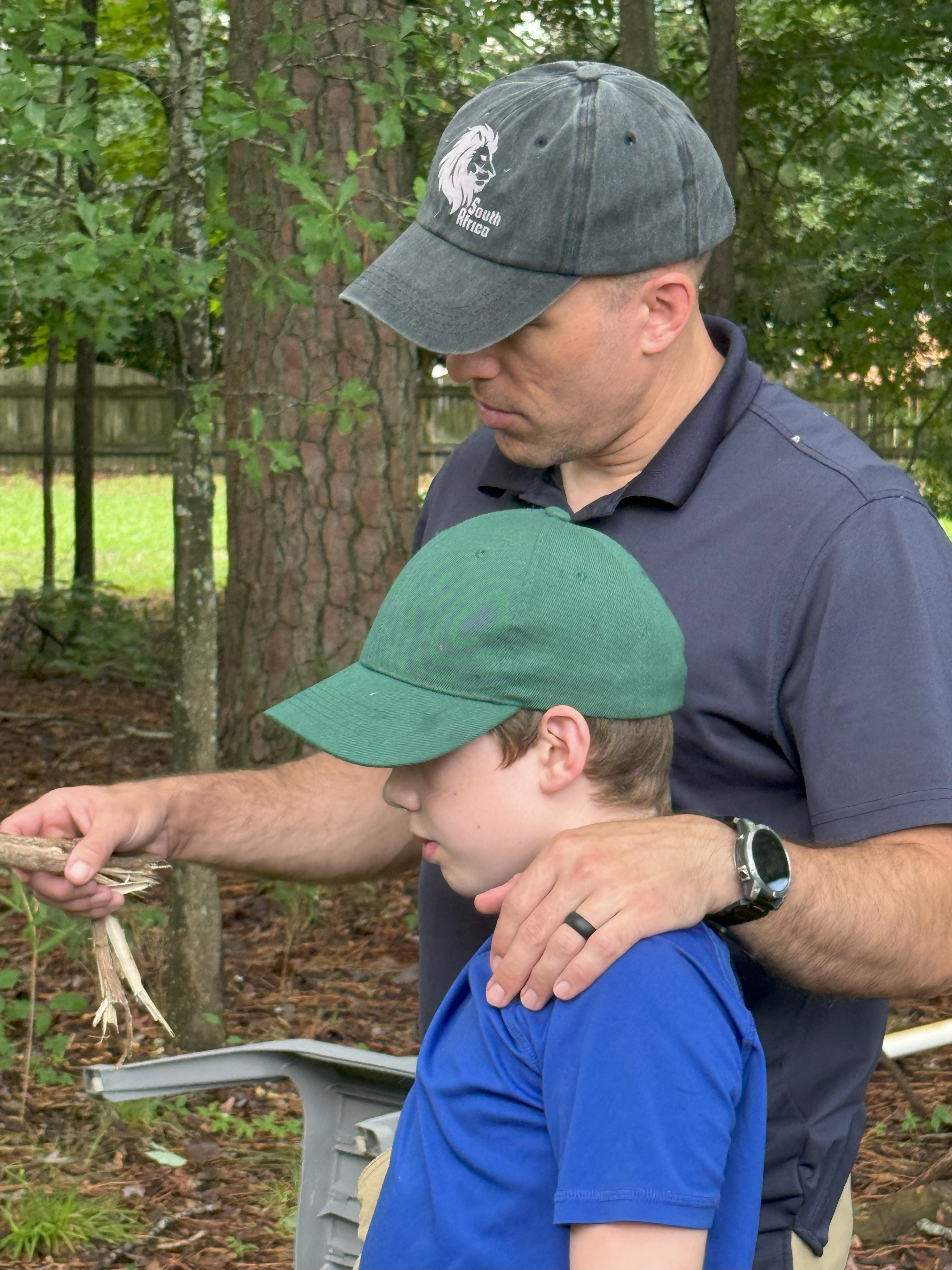
What Initiation Is Not
Initiation is not humiliation.
It is not hazing.
It is not emotional manipulation.
It does not manufacture maturity. It recognizes it.
It does not elevate a boy above correction. It calls him into deeper responsibility.
Initiation without ongoing formation collapses quickly.
That is why initiation should exist within a coherent path such as the Mighty Men Path.
After Initiation Comes Mission
In Scripture, recognition is followed by responsibility.
Joshua leads.
Timothy teaches.
Peter shepherds.
Initiation is not the end. It is a commissioning.
Matthew 28 reminds believers that identity always moves outward into mission.
When a father initiates his son into manhood, he is not releasing him from guidance. He is inviting him into stewardship.
What is the difference between initiation and a rite of passage?
A rite of passage often includes the full journey of preparation, recognition, and progression. Initiation refers specifically to the moment of recognition within that journey. Initiation names readiness. A rite of passage includes both the preparation before and the mission after.
Does every boy need a formal initiation ceremony?
Not every family chooses a public ceremony, but every young man benefits from clear recognition of maturity. Even a simple but intentional moment between father and son can serve as meaningful initiation when grounded in relationship.
What if my son does not respond positively to the idea of initiation?
Some sons may feel uncertain or hesitant. That often signals the need for continued discipleship rather than forced recognition. Initiation should never be imposed. It should arise naturally from observed maturity and relational trust.
Can a church lead initiation instead of a father?
Churches can support and witness, but Scripture consistently places primary responsibility for formation on fathers. A church may assist, but initiation carries unique weight when led by a father or committed male mentor.
What happens if initiation is rushed?
When initiation is rushed before maturity is evident, confusion often follows. Responsibility may feel overwhelming and identity may feel unstable. Patience protects both father and son from premature recognition.
Is initiation the end of guidance?
No. Initiation marks a transition, not independence from wisdom. A father continues offering counsel and accountability. The relationship shifts from instruction to partnership over time.
Initiation into manhood is not about spectacle. It is about clarity.
When a father names maturity at the right time, it strengthens identity. It anchors responsibility. It stabilizes confidence.
If you are unsure whether your son is ready, begin with discernment and conversation. Begin with discipleship. Begin with presence.

Restoring rites of passage. Walking with fathers. Forming mighty men.


