

Father Son Discipleship:
A Biblical Pattern for Forming Young Men
Every father who follows Christ eventually asks a quiet question.
How do I disciple my son without losing him?
How do I guide him without controlling him?
How do I stay close as he grows more independent?
Father son discipleship is not a program. It is not a curriculum alone. It is a relational pattern rooted in Scripture and lived out over time.
Long before churches built ministries for boys, fathers carried the responsibility of spiritual formation inside the home. That pattern has not changed.
If we are going to restore Christian rites of passage for boys, we must also restore father led discipleship.
Rites of passage mark transition. Discipleship sustains growth.
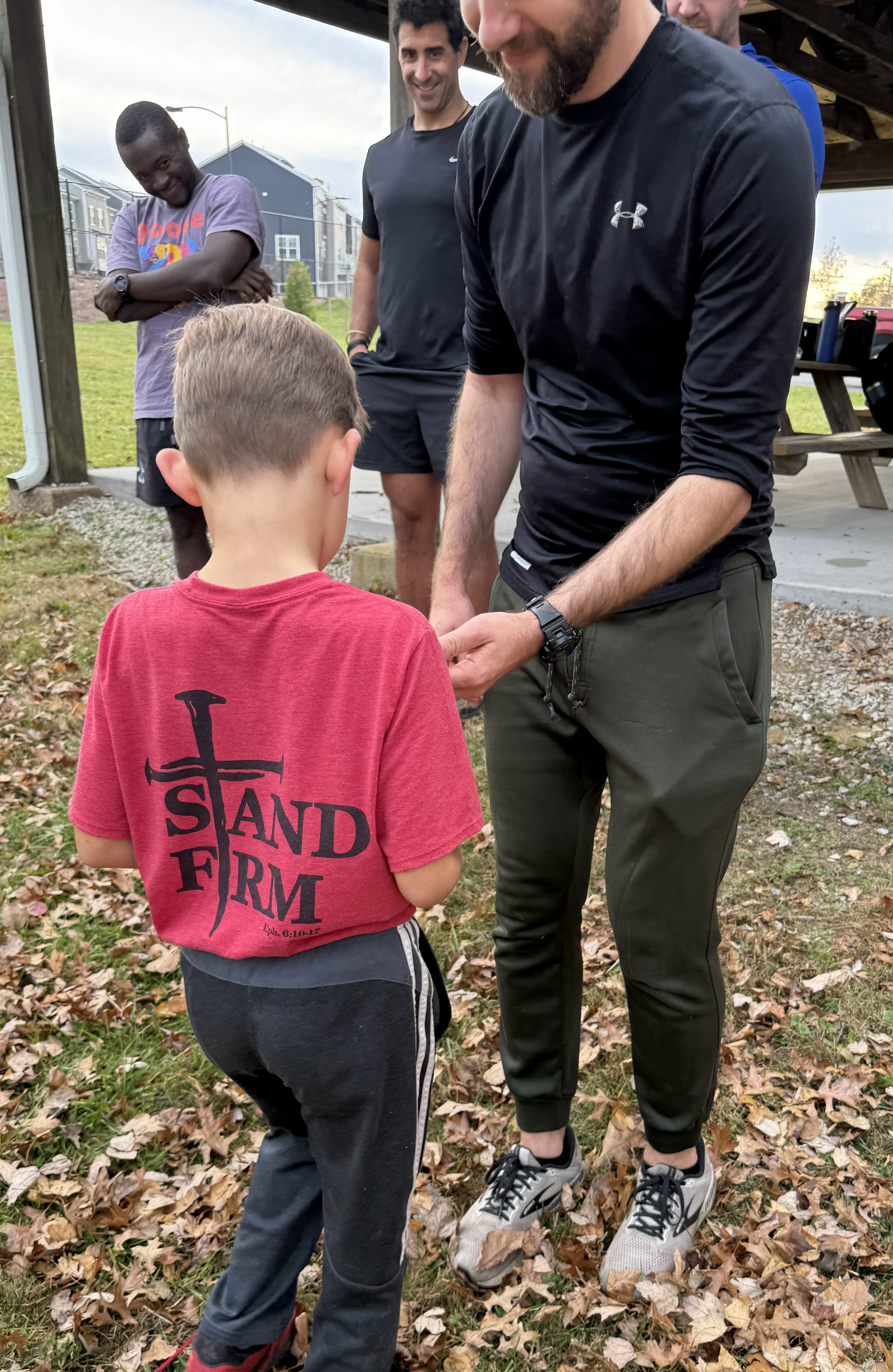

"Discipleship is not a program.
It is proximity lived over time."
What Is Father Son Discipleship?
Father son discipleship is the intentional spiritual formation of a son through relationship, instruction, shared experience, and modeled faith that reveals biblical manhood.
Deuteronomy 6:6-7 instructs fathers to teach diligently as they sit, walk, lie down, and rise. Discipleship was meant to happen in ordinary life.
It is not a weekly lecture.
It is not a forced devotional.
It is not performance based spirituality.
It is proximity.
It is modeling.
It is shared obedience.
When a father disciples his son, he is not simply transferring information. He is shaping identity.
Why Father Led Discipleship Matters
Ephesians 6:4 calls fathers to bring their children up in the discipline and instruction of the Lord.
Notice it does not say outsource.
It does not say delegate.
It says bring them up.
When fathers disengage spiritually, sons often search elsewhere for guidance. When fathers lean in, sons gain stability.
Proverbs 20:7 says the righteous man walks in his integrity and his children are blessed after him. That blessing is often less about words and more about witness.
A boy who sees consistent faith lived out in his father gains something stronger than instruction. He gains a model.
The Difference Between Programs and Discipleship
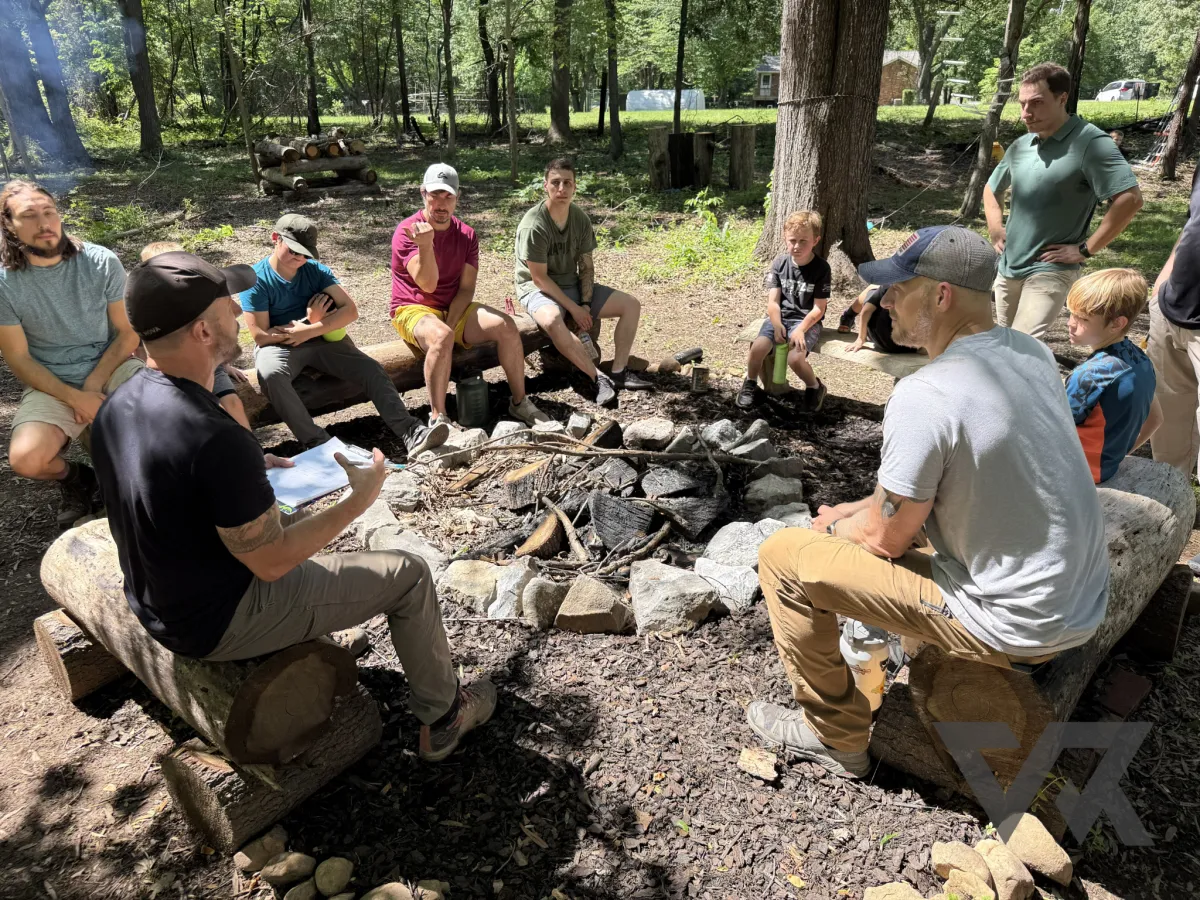
Many churches offer strong programs for boys. Those programs can be helpful. But no program replaces proximity.
A rite of passage event may create momentum.
A guided experience like Forging The Future may establish vision between father and son.
But discipleship is what sustains formation after the event ends.
Programs inspire.
Discipleship forms.
Without ongoing discipleship, a rite of passage risks becoming a memory rather than a movement.
Biblical Patterns of Father Son Formation
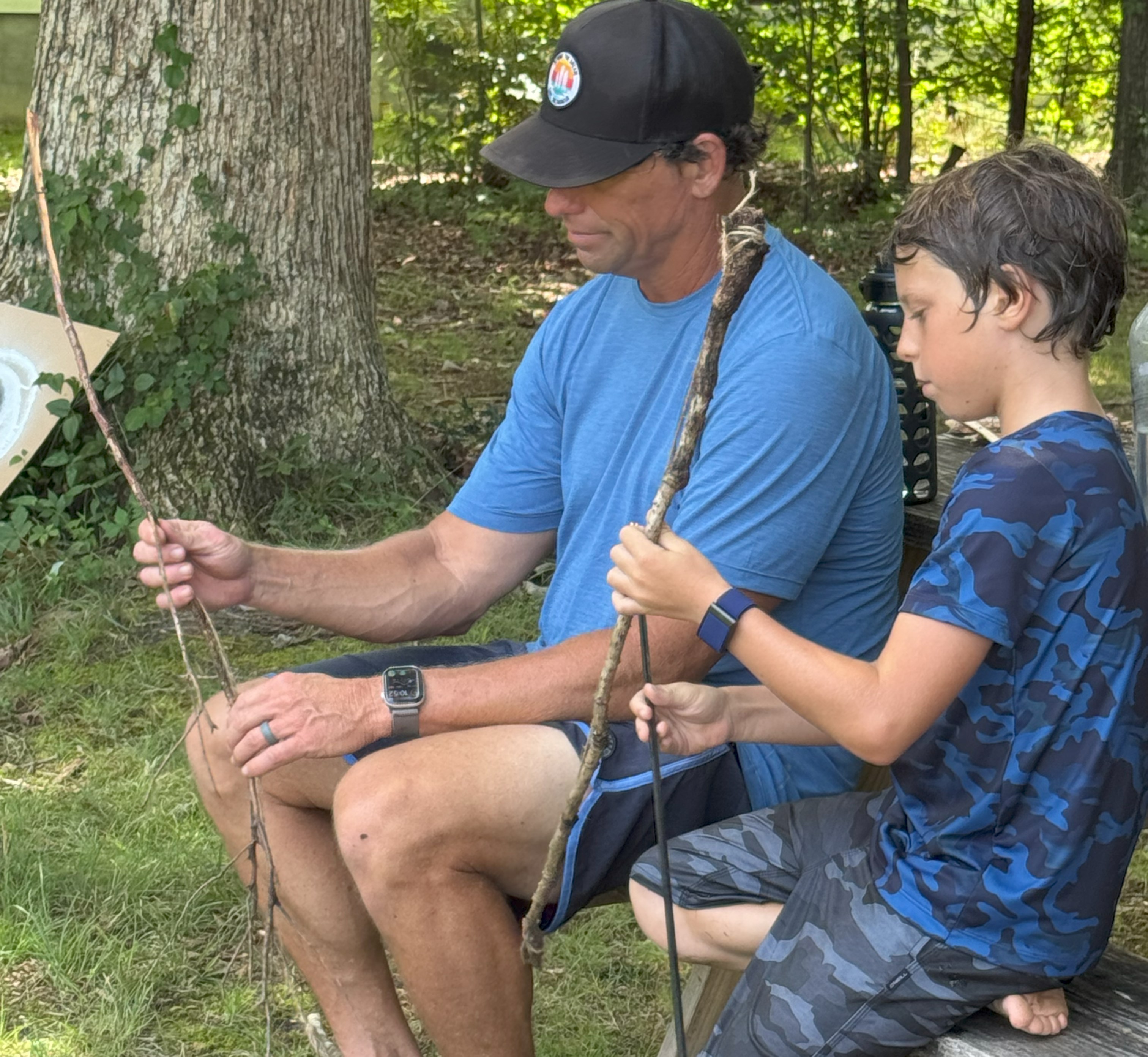
Throughout Scripture, we see patterns of spiritual transmission.
Abraham walked with Isaac in covenant obedience.
David shaped Solomon with instruction about wisdom and leadership in 1 Kings 2.
Paul mentored Timothy like a spiritual father in 2 Timothy 2:2.
These relationships reveal a rhythm.
There is belonging rooted in identity.
There is responsibility that grows gradually.
There is recognition when maturity appears.
There is commission into purpose.
This progression aligns with the larger pattern of Christian rites of passage and structured formation.
Discipleship is not separate from initiation. It prepares for it.
What Father Son Discipleship Looks Like in Practice
Discipleship does not require complexity. It requires consistency.
It looks like reading Scripture together and asking simple questions.
It looks like shared service and shared struggle.
It looks like honest conversations about temptation, fear, responsibility, and calling.
It looks like correction delivered with dignity.
Luke 16:10 reminds us that faithfulness in small things precedes greater responsibility. That applies to fathers as much as sons.
Over time, discipleship builds trust. And trust makes initiation meaningful when the time comes.
From Belonging to Responsibility
Healthy father son discipleship often moves through stages.
A young boy needs belonging. He needs to know he is secure in his father’s affection.
As he grows, responsibility increases. Expectations are clearer. Contribution is required.
At some point, that growth is recognized. A threshold is marked. A rite of passage affirms what discipleship has prepared.
This progression from belonging to responsibility to initiation and eventually into mission reflects the same pattern found in Scripture and in the Mighty Men Path.
Discipleship builds the foundation. Initiation names the transition.
Common Obstacles Fathers Face
Many fathers hesitate to disciple their sons because they feel unqualified.
Some feel they lack biblical knowledge.
Some feel they started too late.
Some feel disconnected from their own fathers and unsure how to lead differently.
But discipleship does not begin with expertise. It begins with presence.
2 Corinthians 12:9 reminds us that God’s power is made perfect in weakness. A humble father who is willing to grow alongside his son is often more powerful than a polished father who remains distant.
You do not need to have every answer. You need to walk with him.
When Discipleship Leads to Initiation
At some point, discipleship reveals maturity.
A son begins carrying responsibility without constant correction. He shows restraint. He demonstrates integrity.
This is when initiation becomes meaningful.
A Christian rite of passage does not manufacture maturity. It recognizes it.
And that recognition carries weight because it is rooted in years of discipleship.
A Coherent Path Forward
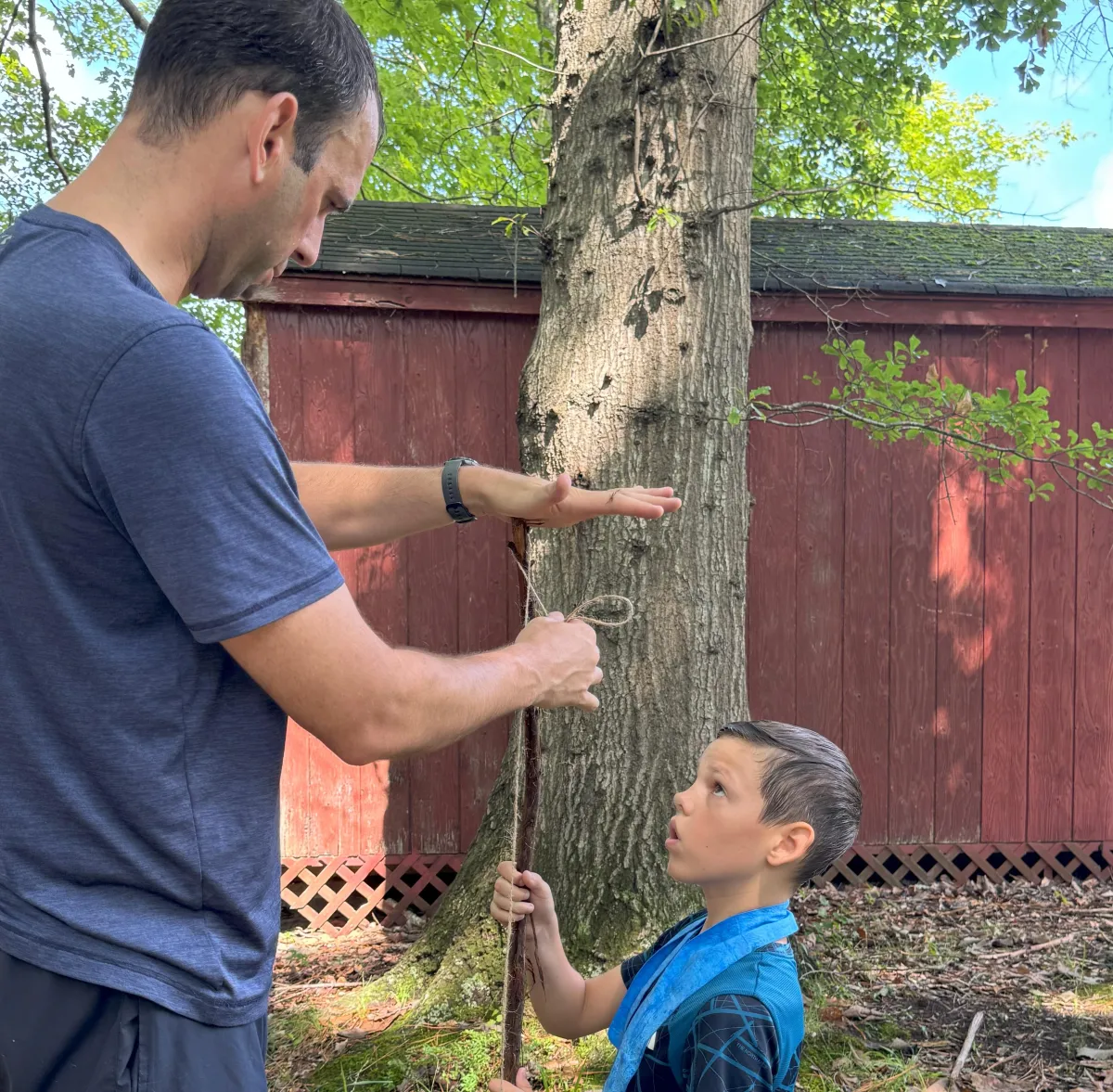
Some fathers attempt to piece together discipleship on their own. Others look for structure that supports their leadership without replacing it.
The Mighty Men Path provides a father led progression that integrates discipleship, responsibility, initiation, and mission into a coherent framework of biblical manhood.
Experiences such as Forging The Future often serve as a beginning.
From there, structured discipleship through stages such as Pathfinder and Navigator supports long term growth.
The goal is not to build dependency on a program. The goal is to strengthen the bond between father and son.
Is it too late to begin discipling my son?
It is rarely too late. While earlier engagement creates a longer runway, discipleship is not confined to childhood. Many fathers begin intentional conversations during the teenage years or even early adulthood. What matters most is humility and consistency. A son often responds more to sincerity than to perfection.
What if I did not grow up with a strong father figure?
Many fathers today are building what they did not personally receive. The absence of a model does not disqualify you. It simply means you will learn as you lead. Scripture shows that spiritual growth often begins in weakness. As you pursue Christ and walk with your son honestly, you are already reshaping your family line.
How often should father son discipleship happen?
Discipleship is less about schedule and more about rhythm. Some families set aside one intentional time each week for conversation and Scripture. Others build daily touch points into shared routines. The goal is steady presence rather than rigid programming. Consistency over time builds trust.
What if my son resists spiritual conversations?
Resistance is often less about faith and more about connection. If a son feels pressured or lectured, he may withdraw. Start with listening. Ask questions. Share your own struggles. Discipleship grows in relational safety. As trust deepens, openness often follows.
Does father son discipleship require a formal curriculum?
Curriculum can help, but it is not required. The most powerful discipleship often happens through shared life. Reading Scripture together, serving alongside one another, and having honest conversations about real challenges form a stronger foundation than completing a workbook alone.
How does discipleship connect to a rite of passage?
Discipleship prepares a son for initiation. Over time, you observe growth in responsibility, restraint, and integrity. When maturity becomes evident, a rite of passage recognizes what discipleship has formed. Without discipleship, initiation lacks depth. With discipleship, initiation carries weight.
Father son discipleship is not about producing a perfect young man. It is about walking faithfully with your son as he grows.
Over time, that walk shapes identity. It builds trust. It prepares him for responsibility. And when the time is right, it makes a rite of passage meaningful.
If you are unsure where to begin, start small. Start consistently. And begin with clarity.
Formation is not rushed. It is walked.

Restoring rites of passage. Walking with fathers. Forming mighty men.


